Per-Sutekh
𓋴𓏏𓈙 𓃩(stS) 𓇓𓍢𓏏𓐍𓃫(Swtx) 𓊃𓏏𓄡(ztX)
𓃫(Old Kingdom-MK) 𓁣 𓃫𓉥(Old Kingdom)
\/ More examples bellow \/
𓋴𓏏𓈙 𓃩(stS) 𓇓𓍢𓏏𓐍𓃫(Swtx) 𓊃𓏏𓄡(ztX)
𓃫(Old Kingdom-MK) 𓁣 𓃫𓉥(Old Kingdom)
\/ More examples bellow \/
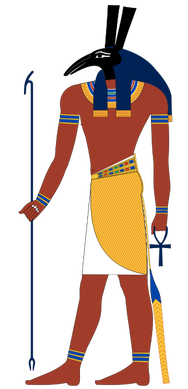
MDC : stX
Gardiner : Śtẖ /Seth, Śtš
Budge : stẖ , sūtaḫ, Sutekh
James P. Allen : stẖ
Alt names in Egyptian : swtx, stx, stS or śtš, it 𓇋𓏏𓏸𓇼 (greco-Roman)
ref. Unas pyramid, swty, sty, śt, st
Old Kingdom : stš (Peust)
Middle Kingdom : stS, stX; /stj/ šu-ú-ta ~ su-uta (Peust)
New Kingdom : swty (18th D), swtx (Greek Trans)
Late Kingdom : stx
Greco-Roman : st
Upper Egypt : swt, st
Lower Egypt : swtx, stx , (Saqqarah) stS
Sebek-âa Sarcophagus : ztX
Mentuhotep Sarcophagus : ztS
Ptolemaic : ztS
Transliteration : Setesh, Sutekh, Suty (most common, look bellow for more examples)
Babylonian : Sutakh, Shutakh
Cuneiform : Šutaḫ
Cuneiform (NK transcripts) : šu-ut-ti (Peust)
Old Coptic : Sēt /ⲥⲏⲧ
Coptic : Sēkh /ⲥⲏϧ (B, LE), Sēḥ /ⲥⲏϩ (S, UE), Sētʰ/ⲥⲏⲑ, Saat , Sēt /ⲥⲏⲧ > Σητ
Akkadian : Šu-ta, Šutti, Šuta > Šu-ta-ḫa-ap-ša-ap 𒋗𒋫𒄩𒀊𒊭𒀊
Hebrew : Tseth, Tset, Seth, Set/סת
Greek : Sētʰ /Σήθ, Set /Σετ, Sétʰ/ Σηθ, Sét/ Σητ , sēth /σηϑ; because of the spelling stX the /X/ was tralsated as θ in Greek, pronouced tʰ in Classical Greek.
Latin : Sēth, Cēth ϹΗΘ ?
Demotic : sṱ
Arabic : Set/ ست , (Alternative) Sotak/ سوتخ
English : Set or Seth
Kemetic : Set
Alt : Seth, Setech, Sutech
IPA reconstruction : ˈsuːtVç (Old Egyptian, 2500 BCE),
ˈsuːtVç (Middle Egyptian, 1700 BCE),
ˈsuːtʰəx (New Egyptian),
ˈseːtəx (Loprieno), setʰ (Late Egyptian, 800 BCE)
(note* the problem with how to say his name when it's spelled stX lies in the letter (X 𓄡) because it can translates to kh, sh or even tʰ , ʰ , or ∅. It doesn't help he went by many different names as you can see) ref. The different names spelling bellow.
Pronounced : stX = Sutekh, Seteʰ/Suteʰ ; stS = Setesh, Sutesh; swty/Suty,
/stS/ ‘sut(ʰ)xV (OK) , /stS/ ‘sut(ʰ)ʃV > /stS/ ‘suc(ʰ)V , ‘sutʃV, /stx/ ‘sut(ʰ)V , /stx/ ‘sut(ʰ)xV (Peust)
Alt Pronunciations : sɛ̌ːtʰ (5th BCE Attic), setʰ (1st CE Egyptian), siθ (4th CE Koine, 10th CE Byzantine, 15th CE Constantinopolitan), sûtaX, Soutekhi or Setoukhi/Sti; ‘sutCV (New), ‘suːtCV (traditional) (Paleo-Coptic, Peust); /stS/ ‘sutšV (new), ‘suːtVš (traditional) (Old Egyptian, Peust)
Meaning of name :
According to Plutarch His name means 'overmaster' or 'overpowering'. According to Kees it means 'turning back' or 'over passing'. Because of his distinct Glyph of the Set Animal we can trace words with this glyph and possible relation. Sometimes he is referred to as /txtx/ meaning 'to confuse'. His victims are sometimes referred to as /tStS/ meaning 'to crush' or 'to grind', but also 'the dismember one', which probably hints at his brother's demise by his own hands. Some reference to the words /tS/, /tSA/ meaning 'to crush' or 'to grind' or 'to spit' as well as /tSi/ meaning 'to desert' or 'turning back'. M.A. Murry claims that his name might have been related to the word /tx/ meaning 'to be drunk' in ref. to Leiden Papyrus of an exorcism where you get the afflicted drunk to befuddle the demon. In some forms of his name you could try to break it apart and try to figure out the meaning. The rendering /swtx/, /swt/ means 'force (of the wind)'. /tx/ can mean 'get drunk, be drunk'. The rendering /st/, /st/ can mean 'seat', or 'throne'. It can also mean 'illness' or 'it' or 'them' female form. Some claim his name means to 'dazzle' this is not true. That thought is based on the idea that his name stems from the word /stHn/. There is absolutely no known evidence of this. His name is never rendered /stHn/. Egyptologists claim the true meaning of his name is now lost. Either way his name is spelled multiple different ways throughout Egypt's history and he was known by different names in Upper and Lower Egypt. Dr. Brugsch claims his name means something like 'below' əsēt/ⲉⲥⲏⲧ while Horu/Horus means 'above' ḥrai/ϩⲣⲁⲓ.
swty means he of the reeds (emblem of Upper Egypt)
Gardiner : Śtẖ /Seth, Śtš
Budge : stẖ , sūtaḫ, Sutekh
James P. Allen : stẖ
Alt names in Egyptian : swtx, stx, stS or śtš, it 𓇋𓏏𓏸𓇼 (greco-Roman)
ref. Unas pyramid, swty, sty, śt, st
Old Kingdom : stš (Peust)
Middle Kingdom : stS, stX; /stj/ šu-ú-ta ~ su-uta (Peust)
New Kingdom : swty (18th D), swtx (Greek Trans)
Late Kingdom : stx
Greco-Roman : st
Upper Egypt : swt, st
Lower Egypt : swtx, stx , (Saqqarah) stS
Sebek-âa Sarcophagus : ztX
Mentuhotep Sarcophagus : ztS
Ptolemaic : ztS
Transliteration : Setesh, Sutekh, Suty (most common, look bellow for more examples)
Babylonian : Sutakh, Shutakh
Cuneiform : Šutaḫ
Cuneiform (NK transcripts) : šu-ut-ti (Peust)
Old Coptic : Sēt /ⲥⲏⲧ
Coptic : Sēkh /ⲥⲏϧ (B, LE), Sēḥ /ⲥⲏϩ (S, UE), Sētʰ/ⲥⲏⲑ, Saat , Sēt /ⲥⲏⲧ > Σητ
Akkadian : Šu-ta, Šutti, Šuta > Šu-ta-ḫa-ap-ša-ap 𒋗𒋫𒄩𒀊𒊭𒀊
Hebrew : Tseth, Tset, Seth, Set/סת
Greek : Sētʰ /Σήθ, Set /Σετ, Sétʰ/ Σηθ, Sét/ Σητ , sēth /σηϑ; because of the spelling stX the /X/ was tralsated as θ in Greek, pronouced tʰ in Classical Greek.
Latin : Sēth, Cēth ϹΗΘ ?
Demotic : sṱ
Arabic : Set/ ست , (Alternative) Sotak/ سوتخ
English : Set or Seth
Kemetic : Set
Alt : Seth, Setech, Sutech
IPA reconstruction : ˈsuːtVç (Old Egyptian, 2500 BCE),
ˈsuːtVç (Middle Egyptian, 1700 BCE),
ˈsuːtʰəx (New Egyptian),
ˈseːtəx (Loprieno), setʰ (Late Egyptian, 800 BCE)
(note* the problem with how to say his name when it's spelled stX lies in the letter (X 𓄡) because it can translates to kh, sh or even tʰ , ʰ , or ∅. It doesn't help he went by many different names as you can see) ref. The different names spelling bellow.
Pronounced : stX = Sutekh, Seteʰ/Suteʰ ; stS = Setesh, Sutesh; swty/Suty,
/stS/ ‘sut(ʰ)xV (OK) , /stS/ ‘sut(ʰ)ʃV > /stS/ ‘suc(ʰ)V , ‘sutʃV, /stx/ ‘sut(ʰ)V , /stx/ ‘sut(ʰ)xV (Peust)
Alt Pronunciations : sɛ̌ːtʰ (5th BCE Attic), setʰ (1st CE Egyptian), siθ (4th CE Koine, 10th CE Byzantine, 15th CE Constantinopolitan), sûtaX, Soutekhi or Setoukhi/Sti; ‘sutCV (New), ‘suːtCV (traditional) (Paleo-Coptic, Peust); /stS/ ‘sutšV (new), ‘suːtVš (traditional) (Old Egyptian, Peust)
Meaning of name :
According to Plutarch His name means 'overmaster' or 'overpowering'. According to Kees it means 'turning back' or 'over passing'. Because of his distinct Glyph of the Set Animal we can trace words with this glyph and possible relation. Sometimes he is referred to as /txtx/ meaning 'to confuse'. His victims are sometimes referred to as /tStS/ meaning 'to crush' or 'to grind', but also 'the dismember one', which probably hints at his brother's demise by his own hands. Some reference to the words /tS/, /tSA/ meaning 'to crush' or 'to grind' or 'to spit' as well as /tSi/ meaning 'to desert' or 'turning back'. M.A. Murry claims that his name might have been related to the word /tx/ meaning 'to be drunk' in ref. to Leiden Papyrus of an exorcism where you get the afflicted drunk to befuddle the demon. In some forms of his name you could try to break it apart and try to figure out the meaning. The rendering /swtx/, /swt/ means 'force (of the wind)'. /tx/ can mean 'get drunk, be drunk'. The rendering /st/, /st/ can mean 'seat', or 'throne'. It can also mean 'illness' or 'it' or 'them' female form. Some claim his name means to 'dazzle' this is not true. That thought is based on the idea that his name stems from the word /stHn/. There is absolutely no known evidence of this. His name is never rendered /stHn/. Egyptologists claim the true meaning of his name is now lost. Either way his name is spelled multiple different ways throughout Egypt's history and he was known by different names in Upper and Lower Egypt. Dr. Brugsch claims his name means something like 'below' əsēt/ⲉⲥⲏⲧ while Horu/Horus means 'above' ḥrai/ϩⲣⲁⲓ.
swty means he of the reeds (emblem of Upper Egypt)

stX animal Hieratic
The many ways the Egyptians spelled his name
*** 𓊃 It should be noted, is a harsher s similar to z in English***
|
stX
|
stS
|
|
𓋴𓏏𓄡𓀭
(Middle Kingdom) MDC: stX Seteʰ/Suteʰ, Setekh/Sutekh |
𓋴𓏏𓈙(𓀭)
(Old-Middle Kingdom) MDC: stS Śetesh/ Śutesh |
swtx
|
𓇓𓅱𓐍𓏏𓃫
(New Kingdom and Hittite) MDC: swtx Sutekh |
𓋴𓅱𓏏𓐍𓁣
(New Kingdom) MDC: swtx Sutekh |
𓇓𓍢𓏏𓐍𓃩𓀭
(New Kingdom) MDC: swtx Sutekh |
swty
|
𓇓𓏏𓏭𓁣
MDC: swty Suty |
𓇓𓅱𓏏𓏭𓀭 , 𓇓𓅱𓏏𓏭𓁣
(New Kingdom) MDC: swty Suty |
𓇓𓍘𓇋𓇋
MDC: swty Suty |
𓇓𓏏𓏭𓁣
MDC: swty Suty |
|
sty
|
stTy
|
|
𓁣𓇋𓇋
MDC: sty, stxy Seti , Setkhy |
𓁣𓏏𓏻𓍿𓇋𓇋
(New Kingdom) MDC: stTy Settjy |
stx
|
𓋴𓏏𓐍𓊹
(Late Kingdom) MDC: stx Setekh/Sutekh |
𓃫𓅆
(Late Kingdom) MDC: stx Setekh/Sutekh |
𓋴𓏏𓐍𓀭
(Greco-Roman Period) MDC: stx Setekh/Sutekh |
st
|
𓋴𓏏𓌪
(Greco-Roman Period) 'instagtor of confusion' MDC: st Set |
𓋴𓏏
MDC: st Śet |
ztS
|
𓊃𓏏𓈙(𓁣)(𓀭)
MDC: ztS Zutesh/ Zetesh |
𓊃𓏏𓈙𓃩
MDC: ztS Zutesh/ Zetesh |
|
zt
|
zti
|
|
𓊃𓏏𓉐𓌪𓃫
(Greco-Roman Period) 'instagtor of confusion' MDC: zt Zet |
𓊃𓏏𓍘𓇋
MDC: zti Zeti |
ztX
|
𓊃𓏏𓄡 𓃫𓅆
(Late Kingdom) MDC: ztX Zetekh/Zutekh |
𓊃𓏏𓄡(𓀭)
MDC: ztX Zeteʰ/Suteʰ, Zetekh/Sutekh, Zetesh/Zutesh |
𓊃𓏏𓄡𓀭
MDC: ztX Zetekh/Zutekh |
Alt Names
|
𓃩𓇋
(Sethian) MDC: stxi Setkhi , Sutki |
𓇓𓏲𓏏𓐍𓏜𓁣𓀭
(Hittite) MDC: swtx Sutekh |
𓎬𓇋𓇋
MDC: sty Sety, Suty |
𓃩𓍘𓇋𓇋
MDC: sty Suty |
𓎬
MDC: st Set |
Names that incorporate the god's nameHome: Lower Egypt red crown, the deshret
Temple: Oxyrhynchus, Per-stX/ House of Seth, Pi-Wayna
Nome: SA-Htp
Cult: City of nbwt/Naqada/Ombos at Bikuy 5th Nome of UE, Fayyum town of Su, Sepermeru (God of the desert), city of Avaris
Consort
Nebet-Hut/Nephthys
Ānit/Anat (violent war-goddess)
Ishtar/Astarte/ Ἀστάρτη/ עשתרת (Goddess of sexuality, fertility and war)
Nit/ Neith?
Children
Anpu/Anubis
Anput (mother Nebet-Hut/Nephthys? perhaps Anat ) Sometimes
Wepwawet (mother mother Nebet-Hut/Nephthys? perhaps Anat) Sometimes
mgA 𓅖𓎼𓄿 𓆊 Crocodile son of Set [Budge]
Ānit/Anat (violent war-goddess, sometimes said to be his daughter)
Father
Geb
Mother
Nut
Siblings
Auset/Isis
Wesir/Osiris
Nebet-Hut/Nephthys
Horu wer /Horus the elder
Alternative Parentage
Priest names
Hm-nTr-stX : God's servant of Set/Sutekh
Features
Sutekh is associated and is called the Nehes animal or the Set animal, or the sha animal, and later Typhonian animal because of him being identified with the Greek creature Typhon. This animal with its forked tail has not be identified hinting it might be a demonic type creature. Often evoked for maladies such as a ges mAa or ges tep/headache. His glyph has appeared in words associated with storms and maladies. Sometimes Sutekh is related to an ass or Donkey.
Temple: Oxyrhynchus, Per-stX/ House of Seth, Pi-Wayna
Nome: SA-Htp
Cult: City of nbwt/Naqada/Ombos at Bikuy 5th Nome of UE, Fayyum town of Su, Sepermeru (God of the desert), city of Avaris
Consort
Nebet-Hut/Nephthys
Ānit/Anat (violent war-goddess)
Ishtar/Astarte/ Ἀστάρτη/ עשתרת (Goddess of sexuality, fertility and war)
Nit/ Neith?
Children
Anpu/Anubis
Anput (mother Nebet-Hut/Nephthys? perhaps Anat ) Sometimes
Wepwawet (mother mother Nebet-Hut/Nephthys? perhaps Anat) Sometimes
mgA 𓅖𓎼𓄿 𓆊 Crocodile son of Set [Budge]
Ānit/Anat (violent war-goddess, sometimes said to be his daughter)
Father
Geb
Mother
Nut
Siblings
Auset/Isis
Wesir/Osiris
Nebet-Hut/Nephthys
Horu wer /Horus the elder
Alternative Parentage
Priest names
Hm-nTr-stX : God's servant of Set/Sutekh
Features
Sutekh is associated and is called the Nehes animal or the Set animal, or the sha animal, and later Typhonian animal because of him being identified with the Greek creature Typhon. This animal with its forked tail has not be identified hinting it might be a demonic type creature. Often evoked for maladies such as a ges mAa or ges tep/headache. His glyph has appeared in words associated with storms and maladies. Sometimes Sutekh is related to an ass or Donkey.
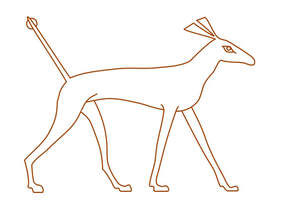
sha animal
Symbols
Storms
Was-scepter 𓌀
Nehes/ Set-Animal 𓃫
Sha/ Set-Animal 𓃫
mnti Typhonic animal, type of wolf ?
Donkey, Ass /aA 𓃩
Tsm/ Dog 𓍿𓊃𓅓𓃡
msH aA/ Crocodile 𓅓𓐠𓎛𓆊𓉼
Hippopotamus
Pig
Scorpion
turtles
snakes
Roles
God of storms, disorder, violence, Lord of the red desert, associated with the south while Hrw-wr associated with the north, chaos, hostility, war and foreigners. He also was employed by Ra to protect him for the demonic snake Apep and to kill him. Sutekh is the killer of his Brother Wesir/ Osiris which from his death he rose and begat Horu/Horus with Auser/ Isis then became the ruler of the underworld. Horu became the adventure of his father resulting in many battle with his uncle Sutekh.
Connection to other gods
Typhon/ Τυφάων, Tyohòn/Τυφὼν, Typhon /ΤΥΦΩΝ, Typhōna/Τυφωνα (Plutarch) (Parents Gaia and Tartarus, called the Father of All Monsters, Consort Echidna) > Tawfan Arabic word for "storm, deluge, inundation, whirlwind" (Budge)
Ash (Original god of Upper Egyptian city in the 5th Nome Upper Egypt Nebut/Ombos)
Celebrations
wrSw festival Peret 4
Offering items
Wild lettuce / abwt (His favorite food, symbol of fertility)
Beer
Bread
No pork
No Sea Salt
Iron (associated with him due to red rust color. It is said his bones are made of Iron)
Other names
Nehes: name for the animal Sutekh/Set animal 𓃫𓃩
sd 𓊃𓂧𓌪𓃫
it 𓇋𓏏𓏸𓇼
iT 𓎁𓆊 (Sutekh as a crocodile)
kA nbt: Bull of Ombos
XApti 𓄡𓇯
Names derived from the God's name
Setnakhte , Setnakht, Sethnakht /stx-nxt / (M) 'Seth is Strong/Victorious' (King)
Seti /stHy/, Sethos (Greek) (M) 'He of the god Set' (King)
Sety Merenptah /sty mry-n-ptḥ/ (M) 'Man of Sutekh/Set, beloved of Ptah'
Setekh-per-ib.sen /stX-pr-ib.sn/ (M) 'Set, their will has come forth' or 'He who comes forth by the will of Seth'
Epitaphs
aA hmhmt = He with the great roar
aA pHty = He with great strength; two-fold strength (Budge)
aA pHty m HAt wiA =He with great power at the tip of the barque
aHAwy = Warriors (Set and Horu/Horus)
bwt =detest, abomination
dSr = The Red
dSr faA =He with red hair
HqA n grg =Lord of Falsehood
Hrwwi = 'a pair of Horuses' Horus and Seth
Hry ib xt = He who is in the middle of fire
Hmty= The eunuch
Htp Hr awn = He who is pleased with cheating
ii m nSni r sn.f =Who comes with rage of the storm at his brother
imy snkt= Who is in the dark
ir nw Dw = He who does evil
mkHA hpw = He who neglects the law
mrS inm = He with light red skin
mry stX = beloved of Set/Sutekh (till XIXth Dyn Kings called themselves, as a beneficial god, and one whose favor was sought after by the living and by the dead) (Budge)
nbD = The destructive onenb DSrt = Lord of the Desert
nb isft = Lord of wrong doing nb nwt = Lord of gold (Ombos)
nb pt = lord of heaven (Egyptian-Hittite Storm God name Taru/Tešup)
nb pt tA= Lord of heaven and earth
nb qri = The lord of the storm
nb TAw = Lord of the wind
nb wAb.wy =( Lord of the 19th Nome of UE, The two pure scepters)
nb wHAt =Lord of the Oasis/Town
nb wsr Hr xpS = The Lord of Power and Strength
nfr n ra = Beautiful child of Ra
nhr = The villain
nSni = Rage of the storm
pA n rAw nHAHAw =One with the loud roar
pHty=Strength, power (of god or king), virility
qis DADAt Hr rn.f= The magistrates vomits on his name
sA nwt = Son of Nut
sdA n.f pt = Before he the sky trembles
stX nbwty= Set of Ombos
sxr aApp = Who overthrows Apep
TAy = The Male
wDa = he who is judged (epithet of Seth)
wd nSni = Who creates rage
wd Snn = Who inflicts illness/ pain
wh(i)-sp.f =Unsuccessful
wr HkAw = Great of magic 𓅨𓂋𓎛𓂓𓏥𓀭 , 𓅨𓎛𓂓𓂓𓂓𓃫 (Ritner)
wr pHty = He with great power
wr Sfyt = He of great respect
wsr xpS.f = He with the mighty arm
xAst.f= he of the foreign land, desert
xfty n Hr(w) = The enemy of Horu/Horus
XAXAt(i) = The storm
Storms
Was-scepter 𓌀
Nehes/ Set-Animal 𓃫
Sha/ Set-Animal 𓃫
mnti Typhonic animal, type of wolf ?
Donkey, Ass /aA 𓃩
Tsm/ Dog 𓍿𓊃𓅓𓃡
msH aA/ Crocodile 𓅓𓐠𓎛𓆊𓉼
Hippopotamus
Pig
Scorpion
turtles
snakes
Roles
God of storms, disorder, violence, Lord of the red desert, associated with the south while Hrw-wr associated with the north, chaos, hostility, war and foreigners. He also was employed by Ra to protect him for the demonic snake Apep and to kill him. Sutekh is the killer of his Brother Wesir/ Osiris which from his death he rose and begat Horu/Horus with Auser/ Isis then became the ruler of the underworld. Horu became the adventure of his father resulting in many battle with his uncle Sutekh.
Connection to other gods
Typhon/ Τυφάων, Tyohòn/Τυφὼν, Typhon /ΤΥΦΩΝ, Typhōna/Τυφωνα (Plutarch) (Parents Gaia and Tartarus, called the Father of All Monsters, Consort Echidna) > Tawfan Arabic word for "storm, deluge, inundation, whirlwind" (Budge)
Ash (Original god of Upper Egyptian city in the 5th Nome Upper Egypt Nebut/Ombos)
Celebrations
wrSw festival Peret 4
Offering items
Wild lettuce / abwt (His favorite food, symbol of fertility)
Beer
Bread
No pork
No Sea Salt
Iron (associated with him due to red rust color. It is said his bones are made of Iron)
Other names
Nehes: name for the animal Sutekh/Set animal 𓃫𓃩
sd 𓊃𓂧𓌪𓃫
it 𓇋𓏏𓏸𓇼
iT 𓎁𓆊 (Sutekh as a crocodile)
kA nbt: Bull of Ombos
XApti 𓄡𓇯
Names derived from the God's name
Setnakhte , Setnakht, Sethnakht /stx-nxt / (M) 'Seth is Strong/Victorious' (King)
Seti /stHy/, Sethos (Greek) (M) 'He of the god Set' (King)
Sety Merenptah /sty mry-n-ptḥ/ (M) 'Man of Sutekh/Set, beloved of Ptah'
Setekh-per-ib.sen /stX-pr-ib.sn/ (M) 'Set, their will has come forth' or 'He who comes forth by the will of Seth'
Epitaphs
aA hmhmt = He with the great roar
aA pHty = He with great strength; two-fold strength (Budge)
aA pHty m HAt wiA =He with great power at the tip of the barque
aHAwy = Warriors (Set and Horu/Horus)
bwt =detest, abomination
dSr = The Red
dSr faA =He with red hair
HqA n grg =Lord of Falsehood
Hrwwi = 'a pair of Horuses' Horus and Seth
Hry ib xt = He who is in the middle of fire
Hmty= The eunuch
Htp Hr awn = He who is pleased with cheating
ii m nSni r sn.f =Who comes with rage of the storm at his brother
imy snkt= Who is in the dark
ir nw Dw = He who does evil
mkHA hpw = He who neglects the law
mrS inm = He with light red skin
mry stX = beloved of Set/Sutekh (till XIXth Dyn Kings called themselves, as a beneficial god, and one whose favor was sought after by the living and by the dead) (Budge)
nbD = The destructive onenb DSrt = Lord of the Desert
nb isft = Lord of wrong doing nb nwt = Lord of gold (Ombos)
nb pt = lord of heaven (Egyptian-Hittite Storm God name Taru/Tešup)
nb pt tA= Lord of heaven and earth
nb qri = The lord of the storm
nb TAw = Lord of the wind
nb wAb.wy =( Lord of the 19th Nome of UE, The two pure scepters)
nb wHAt =Lord of the Oasis/Town
nb wsr Hr xpS = The Lord of Power and Strength
nfr n ra = Beautiful child of Ra
nhr = The villain
nSni = Rage of the storm
pA n rAw nHAHAw =One with the loud roar
pHty=Strength, power (of god or king), virility
qis DADAt Hr rn.f= The magistrates vomits on his name
sA nwt = Son of Nut
sdA n.f pt = Before he the sky trembles
stX nbwty= Set of Ombos
sxr aApp = Who overthrows Apep
TAy = The Male
wDa = he who is judged (epithet of Seth)
wd nSni = Who creates rage
wd Snn = Who inflicts illness/ pain
wh(i)-sp.f =Unsuccessful
wr HkAw = Great of magic 𓅨𓂋𓎛𓂓𓏥𓀭 , 𓅨𓎛𓂓𓂓𓂓𓃫 (Ritner)
wr pHty = He with great power
wr Sfyt = He of great respect
wsr xpS.f = He with the mighty arm
xAst.f= he of the foreign land, desert
xfty n Hr(w) = The enemy of Horu/Horus
XAXAt(i) = The storm
Ref. Seth, God of Confusion: A Study of His Role in Egyptian Mythology and Religion, By Henk te Velde, Herman te Velde, http://www.wepwawet.org/wiki/index.php?title=Epithets_of_Set, https://de.wikipedia.org/wiki/Liste_ägyptischer_Götter
Invocation for Sutekh
i aA hmhmt.f
ȧ ā'a hemhemet.ef
Oh he with the great roar
Hry tp nSni
ḥery tep neshni
Who is upon the rage of the storm
wd a XAXAtw
Who created the storms
wr pHty en ssH xfty.f
He of great power to destroy his enemies
sHtmw pfy
Destroyer of the damned one (Apep)
mki.i m Dr ir.k mki ra r aApp
Protect me as you do Ra from Apep
i wr dSr wa
Oh great red one
xnty wr HkAw
Who are great of magic
sdA n.f pt
Before he the sky trembles
nHi n stX
neḥi en Sutekh
Prayer to Set
ink Snyt m Hrit r Xrw
ȧnuk shenyt em ḥerit er kheru
I am the storm of above and below
iri.f sSp SsAt
ȧri.ef seshep shesat
He who makes the dark sky glow
nb wsr Hr wr xpS
neb wesr ḥer wer khepesh
The lord of strength and of great power
wi n rdi Ahd pHty
ui en redi ahed peḥty
I who make the mighty cower
sDm.i m rdi.i nmnm Art
sedjem.i em redi.i nemnem aret
Hear me as I make the sky quake
m mki.i tA r sbi
em meki.i ta er sebi
As I guard the world from a beastly snake
sDm.f nn gs
sedjem.ef nin ges
Hear he who does not stay still
r st irt.i idn.i
er set iret.i iden.i
For it's my role I will fulfill
-By Grey Nightsky
-Translation by me
"Htm.ti n.k Tw m wr-HkAw stS imy nbw.t nb tA Smaw n fH.ti n.k n i.Ab.ti n.k m Tw irk bA.ti sxm.ti r nTr.w Smaw..."
"Provide yourself with the Great of Magic, Seth who dwells in Ombos, Lord of Upper Egypt. Nothing is lost to you, nothing has ceased for you. Behold, you are more ba and more powerful than the gods of Upper Egypt..."
~ Raymond Faulkner 'The Ancient Egyptian Pyramid Texts'
https://www.scribd.com/document/332305366/the-Behdetite-A-Study-of-Horus-the-Behdetite-From-the-Old-Kingdom-to-the-Conquest-of-Alexandertranslated
i aA hmhmt.f
ȧ ā'a hemhemet.ef
Oh he with the great roar
Hry tp nSni
ḥery tep neshni
Who is upon the rage of the storm
wd a XAXAtw
Who created the storms
wr pHty en ssH xfty.f
He of great power to destroy his enemies
sHtmw pfy
Destroyer of the damned one (Apep)
mki.i m Dr ir.k mki ra r aApp
Protect me as you do Ra from Apep
i wr dSr wa
Oh great red one
xnty wr HkAw
Who are great of magic
sdA n.f pt
Before he the sky trembles
nHi n stX
neḥi en Sutekh
Prayer to Set
ink Snyt m Hrit r Xrw
ȧnuk shenyt em ḥerit er kheru
I am the storm of above and below
iri.f sSp SsAt
ȧri.ef seshep shesat
He who makes the dark sky glow
nb wsr Hr wr xpS
neb wesr ḥer wer khepesh
The lord of strength and of great power
wi n rdi Ahd pHty
ui en redi ahed peḥty
I who make the mighty cower
sDm.i m rdi.i nmnm Art
sedjem.i em redi.i nemnem aret
Hear me as I make the sky quake
m mki.i tA r sbi
em meki.i ta er sebi
As I guard the world from a beastly snake
sDm.f nn gs
sedjem.ef nin ges
Hear he who does not stay still
r st irt.i idn.i
er set iret.i iden.i
For it's my role I will fulfill
-By Grey Nightsky
-Translation by me
"Htm.ti n.k Tw m wr-HkAw stS imy nbw.t nb tA Smaw n fH.ti n.k n i.Ab.ti n.k m Tw irk bA.ti sxm.ti r nTr.w Smaw..."
"Provide yourself with the Great of Magic, Seth who dwells in Ombos, Lord of Upper Egypt. Nothing is lost to you, nothing has ceased for you. Behold, you are more ba and more powerful than the gods of Upper Egypt..."
~ Raymond Faulkner 'The Ancient Egyptian Pyramid Texts'
https://www.scribd.com/document/332305366/the-Behdetite-A-Study-of-Horus-the-Behdetite-From-the-Old-Kingdom-to-the-Conquest-of-Alexandertranslated
